Who was Marie de Caba?
Marie de Caba was a Barcelona Spiritist medium who lived from 1890 to 1973.
What we know about her life?
A Catalan Origin
Marie de Caba was a Spiritist medium born in Carcassonne, France, in 1890, into a Catalan family. She spent most of her life in Barcelona, where she became involved in Spiritism and took part in mediumistic sessions.
Spanish Repression
During Francisco Franco’s dictatorship, her Spiritist activity brought her under state repression. She was arrested, prosecuted, and sentenced to three years in prison, which she served under house arrest because she had a child in her care.
Part of her story survives in the official record, including twenty-four pages of transcriptions from Spiritist sessions preserved in her legal case file.
The Family Record
But the record of Marie’s life does not come from official documents alone. Her memory was also preserved within her family through photographs, personal recollections, and stories passed down across generations.
Marie de Caba with three of her grandchildren.Together, the family record and the surviving historical documents provide a fragmentary but credible portrait of a real woman whose life was shaped by Spiritism, persecution, and silence.
Marie died in Barcelona in 1973. Much of her life remains undocumented, but what survives confirms that she was a real woman, a real medium, and part of Barcelona’s suppressed Spiritist history.
At a Glance
Born: Carcassonne, France, 1890
Lived: Barcelona, Spain
Known for: Spiritist mediumship
Historical record: Spiritist-session material preserved in her legal case file
Died: Barcelona, 1973
Questions about Marie de Caba
-
The surviving historical record is limited but significant. Approximately twenty-four pages of transcriptions from Spiritist sessions were preserved in the legal case file compiled during the investigation and prosecution of Marie under Francisco Franco’s dictatorship.
These documents do not provide a complete account of her life or mediumistic work. However, they offer direct evidence that her involvement in Spiritism was real and that her Spiritist activity formed part of the case brought against her.
The surviving archive is fragmentary, but it connects Marie to Barcelona’s largely forgotten history of Spiritist practice and repression.
-
Marie’s story was preserved not only through official documents, but also within her family. Photographs, personal memories, and stories passed from one generation to the next kept her presence alive long after her death. Her five grandchildren are still living today, making the family record a living connection to Marie rather than a distant inherited memory.
Family memory cannot answer every historical question, and it is different from documentary evidence. But it provides something official records often cannot: a sense of the woman behind the file—her personality, her relationships, and the place she continued to hold within the family.
Together, the family record and the surviving historical documents offer a fragmentary but credible portrait of her life.
-
The Cases do not all come from a single source, and not all of them are stories from Marie de Caba’s own life.
Some are rooted in experiences preserved within Marie’s family, such as The Passenger. Some are recreations connected to Marie’s surviving dossier. Others draw from accounts associated with other mediums, and many are contemporary dramatizations created to express Spiritist ideas through human situations.
What unites them is their purpose: to make Spiritist doctrine emotionally accessible through story, with Marie as the voice that guides their interpretation.
-
The historical Marie did not leave behind recordings, filmed teachings, or a complete body of written work. Her contemporary voice is therefore not presented as a literal reproduction of everything she once said.
Within the project, Marie serves as a narrative and audiovisual guide. She brings present-day human questions into conversation with Spiritist thought and helps make complex doctrine emotionally accessible.
She is not the source of the teachings, nor does she replace Allan Kardec or claim new revelations.
The questions are human. The answers are Spiritist. Marie is the voice that brings them back.
-
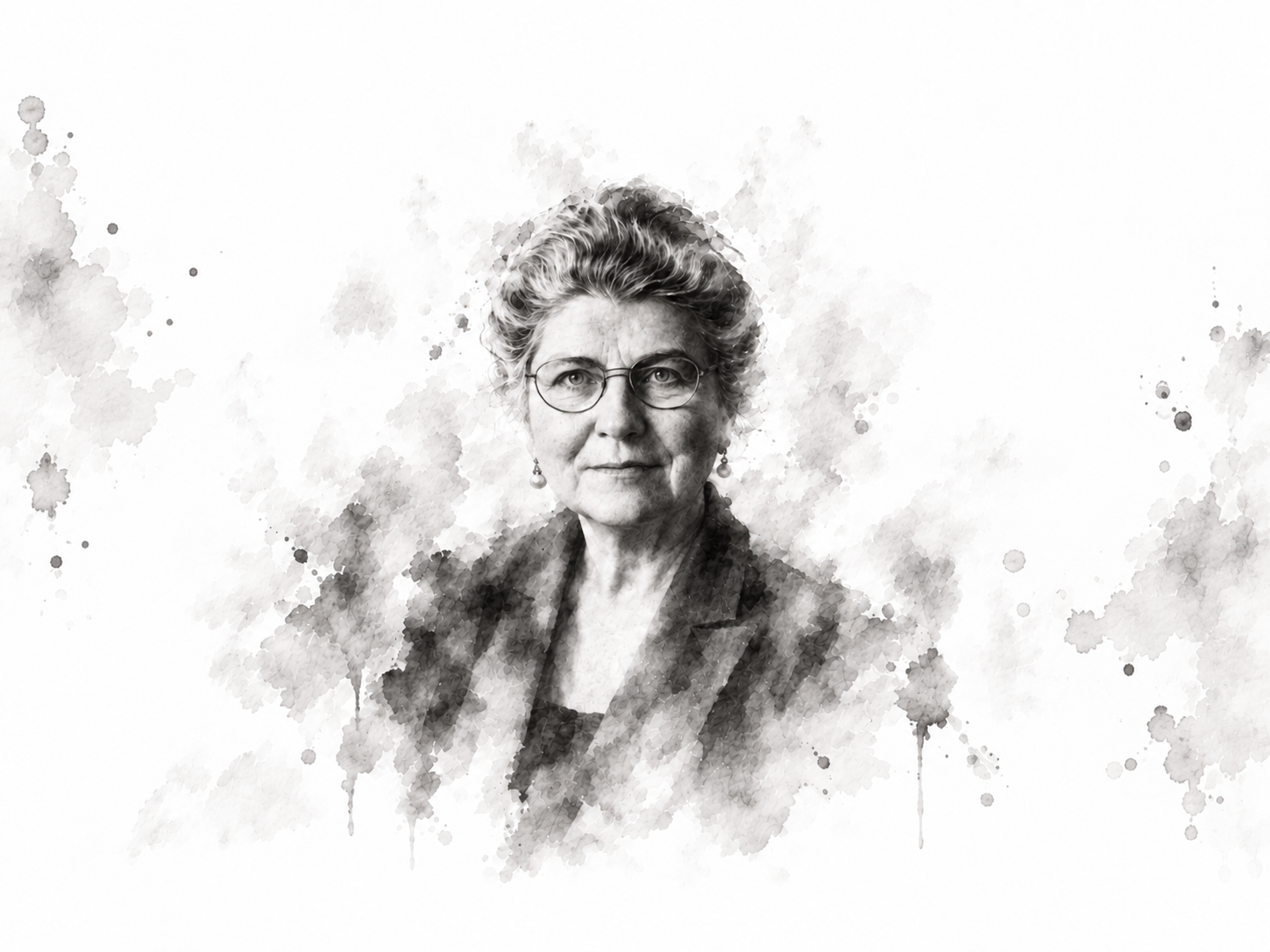
Artificial intelligence is used as an audiovisual production tool. It helps reconstruct Marie’s visual presence, create scenes that were never filmed, and give contemporary form to a story whose photographic and documentary record is limited.
It is not used as the source of Spiritist doctrine, and the answers are not presented as messages independently revealed by artificial intelligence.
The doctrinal foundation comes from Spiritist thought, especially the work organized by Allan Kardec. AI supports the restoration, reconstruction, and transmission of that material.
AI helps restore the voice. It does not provide the wisdom.
-
Marie is the narrative and audiovisual voice of The Questions.
She begins with the questions people still ask about life, death, suffering, love, justice, consciousness, and the soul, and brings them into conversation with Spiritist thought.
Marie does not invent the answers, replace Allan Kardec, or present herself as the source of the doctrine. Her role is to make the teachings emotionally accessible, clear, and relevant to contemporary life.
The questions are human. The answers are Spiritist. Marie is the voice that brings them back.